


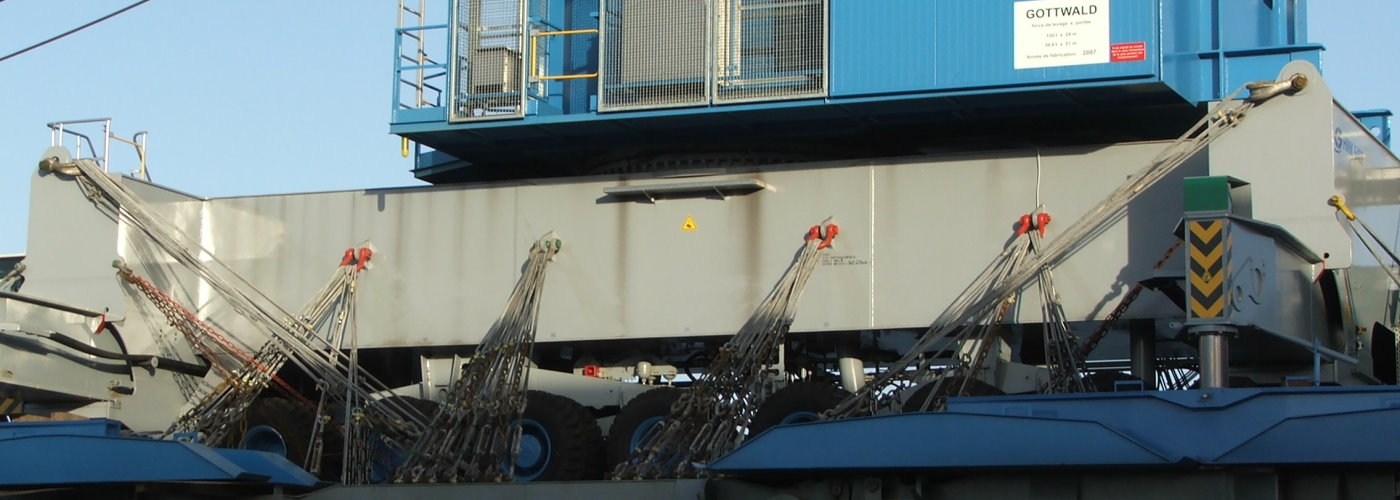
Bulk carriers are primarily designed to transport dry bulk commodities such as coal, ore, grain, and fertilizers. However, many vessels are also used to carry general cargo, breakbulk cargo, and project cargo when market conditions require additional transport capacity.
Unlike container vessels and Ro-Ro ships, bulk carriers are not equipped with standardized cargo securing systems. Each shipment requires a dedicated securing arrangement based on the cargo characteristics, vessel structure, voyage conditions, and applicable regulations.
Proper cargo securing is essential to prevent cargo shifting, structural damage, cargo loss, and safety incidents during the voyage.
When a vessel encounters heavy weather, cargo is exposed to accelerations caused by rolling, pitching, heaving, and vessel vibrations. If the cargo is not adequately secured, it may shift within the cargo hold, resulting in damage to both the cargo and the vessel structure. Excessive movement can overload lashings and securing points, potentially leading to equipment failure and compromising vessel stability. In severe cases, poorly secured cargo may also create safety hazards for crew members performing inspections or maintenance during the voyage. Beyond the direct safety risks, cargo movement can lead to costly delays, insurance claims, repairs, and operational disruptions.
Even relatively small cargo movements can generate significant dynamic forces that exceed the capacity of securing equipment.
Cargo stowage and securing arrangements should comply with recognised international regulations and industry guidance. The primary reference document for non-standardised cargo is the IMO Code of Safe Practice for Cargo Stowage and Securing (CSS Code), which provides recommendations for the assessment and securing of breakbulk and project cargo. Additional requirements may originate from SOLAS, the vessel's approved Cargo Securing Manual (CSM), classification society rules, flag state regulations, and project-specific transport specifications. Together, these requirements establish the framework used to evaluate cargo securing arrangements and verify their suitability for the intended voyage.
The CSS Code provides guidance for securing non-standardised cargo such as machinery, steel products, heavy equipment, transformers, wind turbine components, and other breakbulk cargoes. Its recommendations are widely applied when developing cargo securing arrangements and transport engineering studies for project cargo shipments.
For high-value cargo and offshore projects, securing arrangements are often reviewed by a Marine Warranty Surveyor (MWS). The MWS verifies that the proposed transport method, seafastening design, and cargo securing calculations provide an adequate level of safety for the intended voyage.
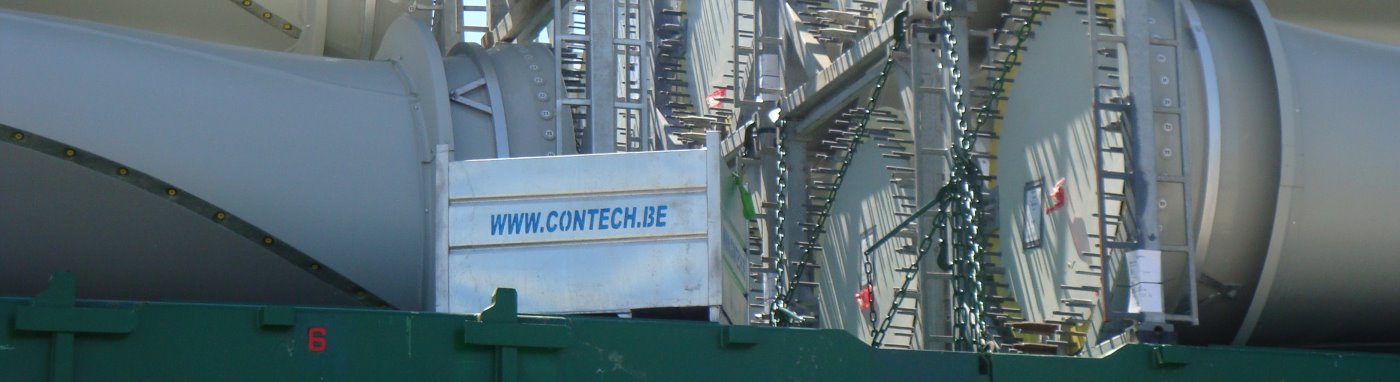
Every cargo securing assessment starts with a thorough review of the cargo characteristics. Cargo weight directly affects the securing forces that must be resisted during transport, while the location of the centre of gravity influences the risk of tipping or overturning. Oversized cargo may be exposed to increased wind loads and often requires special transport arrangements.
Available lifting and securing points should be verified before loading to confirm that adequate capacity exists for the proposed lashing arrangement. Sensitive or high-value equipment may also require additional measures such as dunnage, load spreading arrangements, shock protection, or controlled lashing tensions to prevent transport damage.
Different cargoes require different securing strategies.
Direct lashings transfer loads directly from the cargo to the vessel structure and are one of the most effective methods of securing heavy cargo units. This securing method is commonly applied to heavy machinery, transformers, industrial equipment, and large project cargo units where significant transport forces must be resisted during the voyage. Proper lashing angles, load distribution, and attachment point strength are critical to ensure the effectiveness of the securing arrangement.
Blocking and bracing systems use timber, steel, or fabricated support structures to prevent cargo movement and reduce the loads acting on lashings. They are frequently used for cargoes such as steel coils, heavy machinery, vehicles, and fabricated steel structures. By physically restricting movement, blocking arrangements provide an additional level of security and can significantly improve the overall reliability of the cargo securing system, particularly when combined with direct lashings and friction-enhancing materials.
High-friction materials placed between cargo and supporting surfaces can significantly reduce sliding forces.
Rubber friction mats are often used beneath machinery skids, support frames, and steel structures.
The most effective cargo securing arrangements rarely rely on a single method. Instead, they combine friction-enhancing materials, blocking arrangements, direct lashings, and structural supports to create a robust and reliable securing system. By sharing the loads between multiple securing components, the arrangement becomes more resistant to vessel motions and unexpected dynamic forces encountered during the voyage. This redundancy improves overall safety and reduces the risk of a single securing component becoming the critical failure point.
The choice of securing equipment depends on cargo weight, voyage conditions, and vessel arrangements.
Typical equipment includes:
All securing equipment should be inspected before use and be suitable for the intended loads.
For project cargo and heavy-lift shipments, securing arrangements should be supported by engineering calculations.
At Container Technics, cargo securing calculations are regularly performed for breakbulk shipments, heavy-lift transports, offshore equipment, wind turbine components and industrial modules. Each calculation verifies sliding, tipping and overturning resistance, lashing loads, deck load distribution and the capacity of vessel attachment points in accordance with applicable regulations, vessel limitations and project requirements.
Cargo securing calculations evaluate the forces acting on the cargo in longitudinal, transverse, and vertical directions during the voyage. The assessment verifies resistance against sliding, tipping, and overturning while also confirming that the lashings, securing equipment, and vessel attachment points have sufficient capacity to withstand the calculated loads. The objective is to demonstrate compliance with applicable standards and ensure that adequate safety margins remain available throughout the transport operation.
Engineering calculations help verify that adequate safety margins exist throughout the voyage. The objective is to demonstrate that the cargo remains safely secured throughout the voyage, including during severe weather conditions and the design accelerations specified in the cargo securing assessment.
One of the most overlooked aspects of cargo securing is the strength of the vessel itself.
Even if lashings are strong enough, the securing arrangement remains unsafe if:
The vessel's allowable deck loads and structural capacities must always be reviewed before loading begins.
Bulk carriers are frequently used to transport heavy project cargo such as transformers, wind turbine components, construction equipment, steel structures, pressure vessels, offshore equipment, and large industrial modules. These cargoes often exceed the dimensions or weights that can be handled efficiently by conventional container shipping and therefore require project-specific transport and securing arrangements.
Due to their size, weight, and complexity, these shipments typically require dedicated engineering studies and approval from cargo owners, marine warranty surveyors, and vessel operators before loading can take place.
A comprehensive cargo securing plan should clearly define the intended cargo position on board, the support and bedding arrangements, and the lashing system used to restrain the cargo during the voyage.
The engineering package should also address load distribution within the vessel structure, the design of any seafastening arrangements, and the inspection requirements that apply before departure and during transport.
This approach helps ensure that the cargo remains safely secured throughout the voyage, while protecting both the vessel and its structure from excessive loads.
Successful cargo securing on bulk carriers requires careful planning long before loading starts. Every securing arrangement should be based on accurate cargo information, verified vessel capabilities, and suitable securing equipment.
Before loading begins, the vessel's Cargo Securing Manual should be reviewed to confirm the applicable securing methods and operational limitations. Cargo weights and dimensions must be verified to ensure that the proposed stowage and securing arrangements are suitable for the voyage.
All lashing points and securing locations should be inspected to confirm that they have sufficient strength for the anticipated loads. Certified and well-maintained securing equipment should always be used, particularly when transporting heavy or high-value cargo.
For project cargo and exceptionally heavy units, engineering calculations are often required to demonstrate the adequacy of the lashing arrangement, load distribution, and any seafastening structures. Once loading has been completed, the lashings should be thoroughly inspected and adjusted where necessary.
When voyage conditions permit, periodic inspections should be performed throughout the passage to verify that the securing arrangement remains effective. The final cargo securing arrangement should also be documented with drawings and photographs to provide a clear record of compliance and execution.
Transporting general cargo on a bulk carrier presents unique challenges because every shipment requires a customized securing solution. Proper planning, engineering verification, and compliance with IMO cargo securing principles are essential to ensure a safe voyage.
Whether transporting heavy machinery, steel products, offshore equipment, or large project cargo units, a professionally designed cargo securing arrangement helps protect the cargo, the vessel, and everyone involved in the transport operation.
Container Technics provides engineering support for breakbulk and project cargo shipments worldwide. Our engineers prepare cargo securing calculations, seafastening designs, transport studies, method statements, and loading manuals for heavy cargo transported by bulk carriers, multipurpose vessels, barges, and offshore transport vessels.
We work closely with vessel operators, project forwarders, cargo owners, and marine warranty surveyors to ensure that every transport operation complies with applicable regulations and project requirements.
What is the main risk when transporting general cargo on a bulk carrier?
Cargo shifting caused by vessel motions can damage cargo, vessel structures, and securing equipment.
Does project cargo on a bulk carrier require securing calculations?
For heavy or high-value cargoes, engineering calculations are strongly recommended to verify cargo stability and lashing capacity.
What regulations apply to cargo securing on a bulk carrier?
The IMO CSS Code, SOLAS requirements, the vessel's Cargo Securing Manual, and applicable class rules are typically used.
Can bulk carriers transport wind turbine components?
Yes. Bulk carriers are frequently used for blades, tower sections, nacelles, and other oversized wind energy components when proper securing arrangements are implemented.
What securing equipment is commonly used for project cargo?
Lashing chains, wire ropes, turnbuckles, shackles, load binders, friction mats, steel supports, and custom seafastening structures are commonly used.
What is breakbulk cargo?
Breakbulk cargo refers to cargo transported individually rather than in containers, such as steel products, machinery, wind turbine components, project cargo, and oversized equipment.
What is seafastening?
Seafastening consists of temporary structures or securing devices installed to prevent cargo movement during transport by sea.
Who approves cargo securing calculations?
Depending on the project, calculations may be reviewed by the vessel operator, classification society, marine warranty surveyor, or cargo owner.
Can cargo be secured using only lashings?
In many cases no. Heavy cargo often requires a combination of lashings, friction enhancement, blocking arrangements, and seafastening structures.
Why are friction mats used under cargo?
Friction mats increase the coefficient of friction between the cargo and supporting structure, reducing the securing forces required from the lashings.
Please enter your contact details and query below and our team will reply to your request today. Fields marked * are required

In our free e-catalogue , you will find all the info and photos about our solutions for fixed lashing, loose lashing, lifting and rigging gear. Fill in the form below and you will receive your e-catalogue quickly.

